Players stay invisible
Goals, appearances and honours disappear when a season ends or a league changes tools.
 PLAYGRND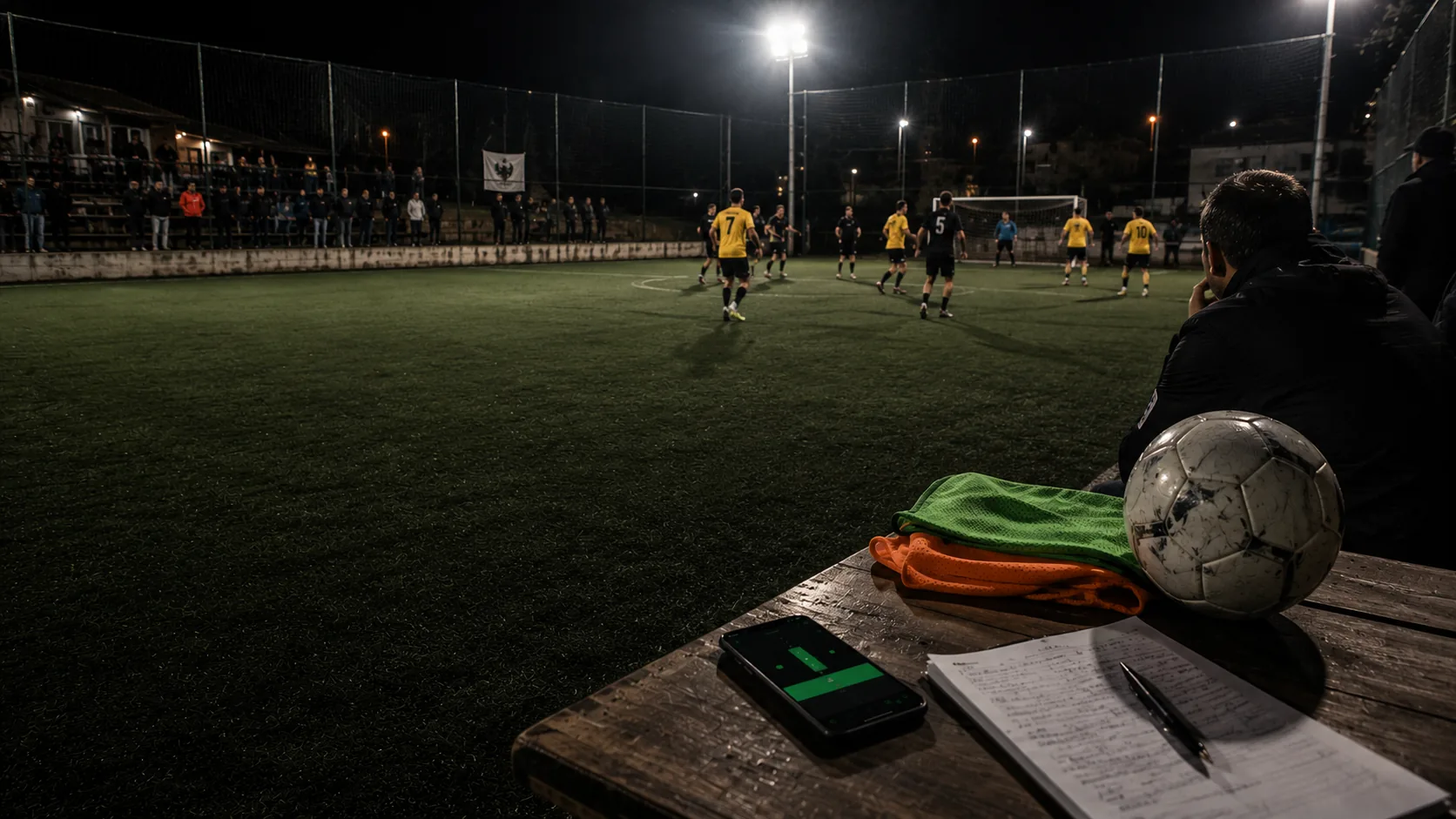
The public record of amateur football
Football played every week deserves a history.
We turn results, players and honours into a fast, credible and shareable football identity.
For players. For organizers. For local football.01 / Problem
Thousands of matches remain locked in spreadsheets, messages and systems that were never designed as a lasting public record.
Goals, appearances and honours disappear when a season ends or a league changes tools.
A result is entered, reposted, sent through messages and manually turned into content.
Without a clear source and correction process, statistics quickly become disputed or stale.
02 / Proof
PLAYGRND already publishes real leagues, seasons, matches, tables, scorers, players and teams.
03 / Platform
When a match is recorded correctly, the same data updates player profiles, teams, the table, scorers and competition history.
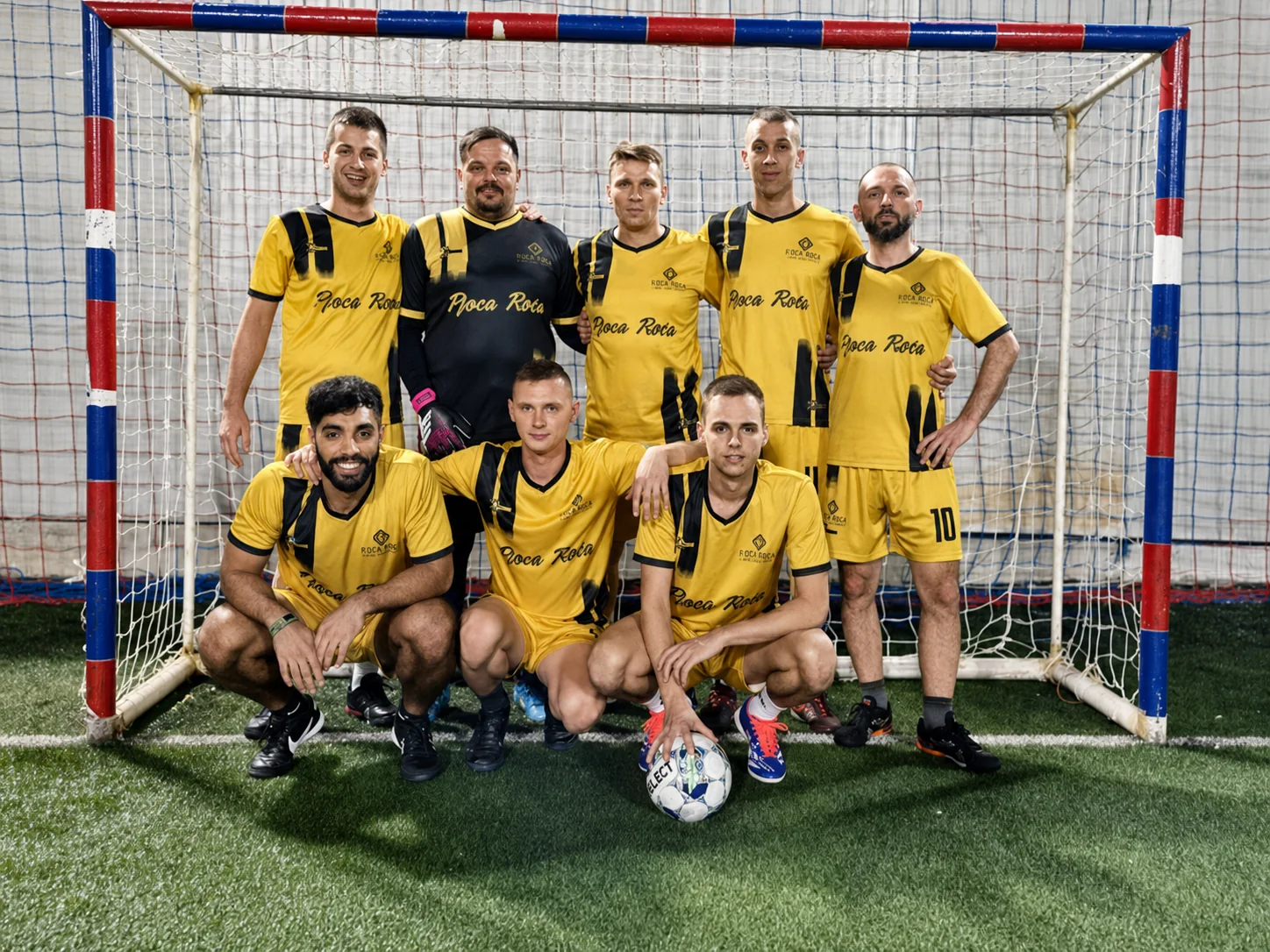
A player gets a career, statistics, matches and honours on one permanent URL.
Public pages and results are already live; personal following across people, teams, leagues and tournaments is the next step.
The canonical record, sources and corrections remain the foundation. AI accelerates input, search and explanations; people verify the facts, PLAYGRND preserves the record.
04 / Input demo
An authorized organizer sends a photo. PLAYGRND extracts the result, lineups, scorers and cards, then returns a draft for approval.
Here is the match sheet from tonight.
21:48Reading the sheet and matching players...
Concept demo with illustrative data.
05 / Context demo
A planned community-intelligence layer combines verified statistics with correctable signals from match reports, including sources and explanations.
I need two players for Tika Taka. Who would you recommend?
Based on your style of play and verified data, these two profiles would fit Tika Taka best:
Concept demo with illustrative names and signals; this capability is not live yet.
06 / Value loop
A match already creates a lasting record. The working hypothesis is that following and sharing will turn it into a community that returns.
Existing data comes in with a source, mapping and parity checks.
Players can already claim profiles; following teammates, teams, leagues and local tournaments comes next.
The goal is to test whether feeds, notifications, records and local stories bring users back when their team is not playing.
Sharing among players, teams and organizers expands the network from one community to the next.
07 / Organizer
The first goal is not migration at any cost. It is proving value alongside the existing operational system.
Results and schedules stay in the tool the organizer already uses.
Public history, profiles, corrections and content grow from verified data.
Less repetition, better visibility and a safe route toward native competition management.
08 / Work on the pitch
Match sheets already enter a production pilot. Team lists and hand-drawn draws are the next workflows to test.
A handwritten or printed list becomes proposed teams, labels and registrations, ready for review.
AI reads pairings, groups, seeds and team markings, then proposes a structured draw or bracket.
The result, lineups, scorers and cards enter a reviewable draft; autopilot is limited to trusted sources.
09 / Founding Organizer
The program is planned for up to 50 active organizers or 25,000 activated player profiles, whichever comes first. Early partners do not buy software; they help launch the network with us.
A league or tournament uses the standard PLAYGRND process and gives its community credible results, teams and players.
The organizer invites teams and players to claim profiles, follow each other and return between matches.
A Founding Organizer keeps core competition management free after PLAYGRND introduces commercial plans.
10 / Partnership
The organizer brings a competition, official data and its community. PLAYGRND provides the platform, hosting and core tools. The free model creates value for both sides without unlimited manual operations.
Core competition management remains free for organizers accepted among the first 50 or before the 25,000-profile threshold.
The organizer supplies and confirms official data; PLAYGRND maintains the standard workflow, product and public record.
Manual archive cleanup, managed data entry, premium support, sponsorships, booking, payments and media are outside the free core plan.
11 / Next step
Launch a real league or tournament, activate your community and keep the core PLAYGRND plan free forever.
Message us on WhatsApp or [email protected]. The first conversation is about real organizer work, not selling a feature list.